
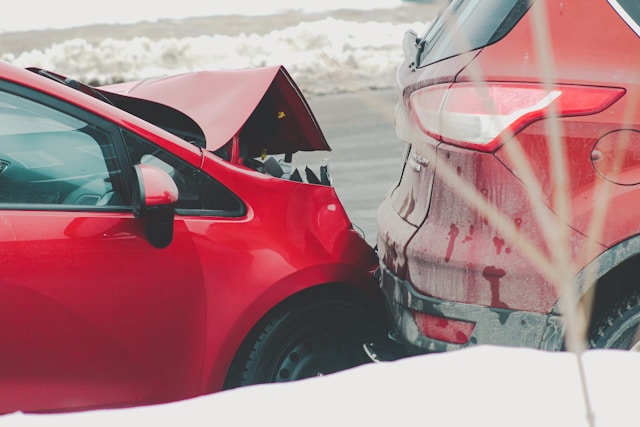
Exterior damage can reduce your car’s value before a potential buyer gets the keys in the ignition. A scratch, dent, paint chip, or bumper scuff might seem insignificant. However, it affects the way people see your car. These marks are not just visible to buyers. They can also be interpreted as lack of care.
Here is where experts in the Car Body Work field come in handy. According to these experts, the exterior of a vehicle is important. It is among the first things that buyers consider when determining value. A car that has straight panels gives the impression of being well cared for. But if there is damage visible, it raises doubts. That uncertainty can lead to a lower price. Here are ways exterior damage affects a car’s value:
Table of Contents
1. First Impressions Determines the Price
Car value is not just determined by mileage. It is also determined by model and service history. The exterior appearance provides the buyer with a first impression of the vehicle’s condition. If the body looks well-maintained, the car looks more valuable.
The opposite is true if there is damage to the outside. An unappealing car can be caused by a long scratch in a bumper. Even though the buyer may have a desire for your vehicle, they will still want to see the price lowered.
2. Repair Costs Lower Buyer Offers
Exterior damage is a detriment to value because someone has to pay to repair it. When a seller leaves the damage, the buyer will likely deduct the cost of repairs from the offer. Dealers do the same since they may have to fix it up before they can sell it again.
The deduction amount may exceed the repair costs. Buyers tend to leave a margin for potential hidden problems. Dealers can also offer a lower price to maintain their profit margin.
3. Paint Damage Can Become a Bigger Problem
The paint prevents the body of a car from getting dirt. A light scratch will buff off. When moisture gets there, rust can start and spread.
Rust can detract from value as it is a future cost to the buyer. Just a small area around a wheel arch can create concern. The longer paint damage is left untreated, the greater the value loss.
4. Dents Change the Car’s Condition
Dents minimize a car’s value since they affect the form of the body. A small dent can give a panel a damaged appearance from various angles. If there are several dents, it can make your vehicle appear older.
There are some dents that can be easily fixed. This is true, particularly if the paint is still in place. Buyers might not be aware of the repair cost. So, they tend to take the bigger figure.
5. Online Listings Lose Attention
When most people are looking to purchase a vehicle, they first go through its pictures. If there is damage to the exterior, it will not appeal to buyers before they read the listing. Clean bodies make cars pop. Any dent will can make buyers change their minds.
The less buyers call, the less power the seller has. If the exterior is damaged, the seller might have to reduce the price only to generate interest.
6. Small Damage Gives Buyers Power
If there’s visible damage, buyers can easily negotiate. They can point to all the dents and demand a discount. The more they see, the more they are sure of pushing the price down.
This can happen even if the price of your car is fairly priced. It is the repair costs that usually come to the mind of a buyer and not the normal wear and tear. For them, each mark is an expense they take on after they buy it.
7. Fixing Damage Can Protect Value
Buyer’s confidence won’t just be improved by polishing scratches. It will also be improved by touching up scuffs. These repairs can also make photos seem clearer.
The most effective repairs are those that cost less than the value that they protect. If a simple fix will not result in a significant discount, it might be worth doing. If your car is older, it might be better to have it priced fairly than having expensive paintwork done.
In conclusion, a car’s value is impacted by small exterior damage. This is because it affects the perception of condition by buyers, appraisers, and dealers. It raises uncertainty, reduces interest online, and provides buyers with more leverage in negotiations. A car might still run great. However, the damage may be visible, making it less valuable.
The first step to protecting value is to take small damage seriously. A neat exterior creates a sense of trust before even starting the test drive. If the exterior is well-maintained, buyers will be more inclined to think that the car is worth the price.
For additional details, head over to our blog.