
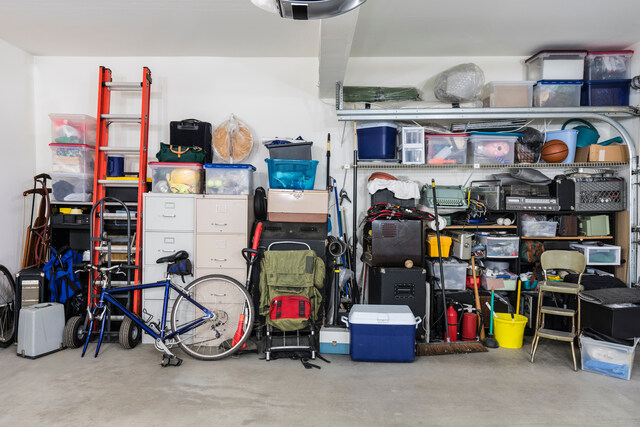
Thousands of Americans bid on storage units they can barely see. A couple photos, maybe a glance through the door. That’s it. Yet they’ll drop hundreds of dollars, sometimes more, betting on these glimpses. Storage unit buying sits somewhere between treasure hunting and running a small business, pulling in people who spot opportunity in piles of abandoned stuff. You need guts and business sense to make this work. One without the other means failure.
Table of Contents
The Pull of the Unknown
Why would anyone risk money on mystery boxes? Everyone has their reasons. Some folks never outgrew the yard sale bug from childhood. Others watched those auction shows on TV and figured they could do it better. A few just stumbled into it; helped a buddy empty a unit one weekend and caught the fever.
People want to know what’s behind that metal door. We’re nosy by nature. Throw in potential profit and you’ve got something irresistible. Each unit holds questions. Who owned this stuff? Why’d they leave it? Could something valuable hide under those blankets?
Buyers turn into detectives really quick. They read clues like tea leaves. Plastic bins beat cardboard for protecting good stuff. Fresh dust means nobody’s been there lately. Cheap furniture probably means cheap everything else. You learn to spot patterns or you lose money.
How Technology Changed the Game
Years ago, you’d burn whole Saturdays driving between facilities. Maybe you’d catch one auction. Maybe not. Most sales went down in parking lots at dawn. Miss it? Tough luck. Try again next week. Then the internet flipped everything upside down. Now you can browse units while eating breakfast. A storage auction site like Lockerfox puts thousands of units at your fingertips. Bid from bed if you want. Win a unit five hundred miles away and pay someone local to handle it. People who never could’ve played before jumped right in.
Photos replaced those rushed peeks inside. Zoom in close. Study every box and bag. Research the neighborhood to guess what kind of stuff might be in there. Check last month’s prices. Information changed from scarce to abundant overnight.
Making Money from Mysteries
The real players treat this like any other business. They pay taxes, track inventory, know their customers. That beat-up dresser might bring three hundred bucks downtown but only one hundred in the suburbs. Location changes everything.
You need multiple ways to sell. Collectibles go online where specialists will pay top dollar. Furniture moves at flea markets. Clothes head to secondhand stores. Metal goes to the scrapyard. Everything has value to somebody; you just need to find them.
Do the math or go broke. Add up what you paid, what cleanup costs, how much gas you’ll burn driving around selling everything. Those numbers better leave profit, or you walk away. Getting emotional about a unit is the fastest way to lose your shirt.
Beyond the Bottom Line
Sure, most people want the money. But other things keep them hooked. Seeing abandoned stuff find new homes feels good. Building something from scratch brings pride. That rush when you find something special? Never gets old, even after you’ve bought hundreds of units.
Freedom matters too. No boss breathing down your neck. No stupid company rules. You succeed or fail on your own choices. That appeals to plenty of people sick of cubicles and conference calls, even when some months you barely scrape by.
Conclusion
What starts as curiosity often becomes expertise. Then community Sometimes a whole new career. People come for the mystery but stay for the business. They thought they were just peeking behind doors. Turns out they were opening one to a completely different life.