
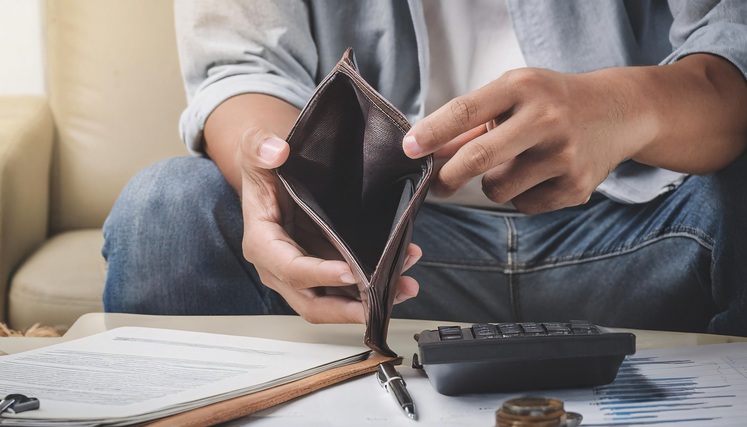
Your wallet may be costing you thousands annually. The reason isn’t theft, but its contents. Your credit cards and their usage significantly affect your financial future, often more than you might think.
Table of Contents
The Hidden Cost of Plastic
Credit cards seem harmless enough. They’re convenient, fit nicely in your wallet, and make buying things easy. Too easy, actually. That’s the problem. The average American carries four credit cards and owes about eight thousand dollars in total. Those little pieces of plastic charge interest rates that would make loan sharks jealous. Twenty percent interest means you’re paying an extra twenty bucks for every hundred you owe. Every single month. It accumulates quickly, and before you know it, your wallet feels significantly heavier.
Some people think they’re outsmarting the system by using several cards. They move balances, open accounts for bonuses, and pursue rewards. However, these programs are intentionally designed by companies to confuse you. They hope you’ll default, miss a payment, or carry a balance. That’s how they profit. They excel at it.
Your Spending Habits Show in Your Wallet
Wallets often contain many unused loyalty cards. Shops like coffee houses, supermarkets, and department stores are all eager for you to get their card. But here’s what they don’t tell you: these programs train you to spend more.
Store cards often carry the highest interest rates around. They lure you in with discounts on your first purchase, then hit you with rates that can top thirty percent. That ten percent discount doesn’t look so great anymore. The psychology runs deeper than interest rates. When you carry a store’s card, you think about that store more often. You check their sales. You visit when you don’t really need anything.
The Geographic Trap Most People Miss
Where you live affects which financial products work best for you. National banks push the same cards everywhere, but local options often beat them by a mile. Smart shoppers in the Southwest know this secret well. Those searching for the best low APR credit card New Mexico has available should check out local credit unions before signing up with big banks. US Eagle FCU, for instance, typically offers rates that make national banks look greedy by comparison. Credit unions answer to their members, not Wall Street investors, so they can afford to charge less interest and fewer fees.
Geography matters in other ways, too. Some cards charge foreign transaction fees even when you’re just shopping online from international retailers. Others hit you with ATM fees that vary wildly depending on your location. That wallet full of cards might work great at home, but it will drain your account when you travel.
Signs Your Wallet Needs an Overhaul
Your wallet sends signals about your financial health. Too many cards usually means too much debt. Expired cards suggest disorganization. Missing important cards like insurance or emergency contact information shows poor planning. A healthy wallet contains only what you actually use. One or two credit cards maximum. A debit card for ATM access. Maybe a backup payment method. Everything else just creates temptation and clutter. The goal isn’t to fill every slot in your wallet. It’s to carry exactly what helps you manage money well.
Conclusion
Your wallet should work for you, not against you. Take everything out right now and examine each card. Cancel the ones charging annual fees for benefits you don’t use. Ditch store cards with sky-high interest rates. Replace expensive credit cards with better alternatives from credit unions or banks that actually value your business. A lighter wallet often means a heavier bank account. Make yours work smarter and watch your financial stress disappear along with those unnecessary cards.