
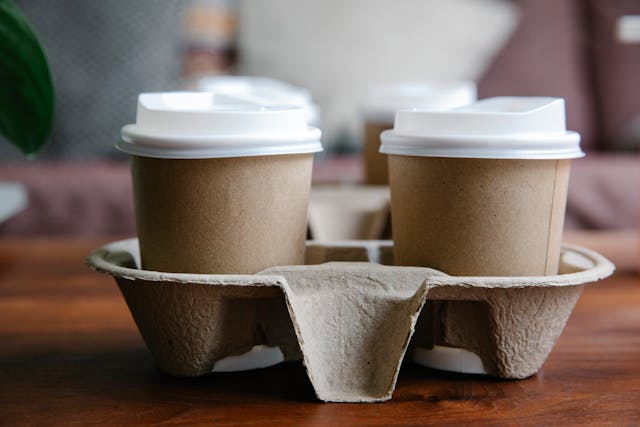
Sustainability is becoming a key priority for cafés across Australia, with many customers expecting eco-friendly practices as part of their experience. One of the most common sustainability choices is switching to biodegradable coffee cups. While these cups are better for the environment, many small café owners wonder if they are cost-effective. Understanding the benefits, costs, and long-term implications of biodegradable cups can help small café owners make informed decisions that balance sustainability with profitability and operational efficiency, ensuring a strong reputation in a competitive market.
Table of Contents
What Are Biodegradable Coffee Cups?
Biodegradable coffee cups are made from materials that naturally break down over time, reducing landfill waste and environmental impact. Common materials include plant-based plastics, paper with compostable lining, and cornstarch composites. Unlike traditional single-use cups, which can take hundreds of years to decompose, best biodegradable coffee cups are designed to degrade under the right composting conditions within months.
Types of Biodegradable Cups
- PLA Cups: Made from polylactic acid derived from cornstarch or sugarcane. They are fully compostable and heat-resistant.
- Paper Cups with Biodegradable Lining: Traditional paper cups often have a plastic lining. Eco-friendly alternatives use biodegradable coatings that allow the cup to break down in composting facilities.
- Bagasse Cups: Made from sugarcane fibre, bagasse cups are sturdy, heat-resistant, and fully compostable.
Each type has different costs, durability, and environmental benefits, which small café owners should consider when making a purchase.
Benefits of Biodegradable Cups for Small Cafés
Environmental Responsibility
Switching to biodegradable cups demonstrates a café’s commitment to sustainability. Many consumers actively seek businesses that align with their values, so offering eco-friendly cups can enhance your brand reputation and attract environmentally conscious customers.
Positive Marketing Opportunities
Promoting the use of biodegradable cups can differentiate a café in a competitive market. Highlighting your sustainable practices on menus, social media, and in-store signage can create a strong selling point and encourage repeat business.
Waste Reduction
Biodegradable cups break down naturally, reducing the café’s contribution to landfill waste. This aligns with local councils’ recycling and composting initiatives and can make your business more compliant with environmental regulations.
Employee Engagement
Staff often feel proud working for a business that prioritises sustainability. A commitment to eco-friendly practices, including biodegradable cups, can boost morale and create a more positive workplace culture.
Cost Considerations for Small Cafés
Upfront Cost
Biodegradable cups generally cost more than traditional single-use plastic or paper cups. On average, small cafés may pay 10–50% more per cup depending on volume, material type, and supplier. While this increases immediate expenditure, the difference can often be offset by sustainability-driven marketing and customer loyalty.
Long-Term Savings
Although the upfront cost is higher, biodegradable cups can result in long-term savings in waste management. Some councils offer discounted or free composting services, which may reduce waste disposal costs compared to traditional cups that cannot be recycled.
Customer Willingness to Pay
Many customers are willing to pay a small premium for environmentally friendly products. Adding a nominal surcharge for takeaway coffee in biodegradable cups, or bundling it as part of a “green initiative,” can offset costs while reinforcing sustainability messaging.
Bulk Purchasing Benefits
Buying biodegradable cups in bulk can reduce per-unit costs, making them more affordable for small cafés. Developing relationships with local suppliers or co-op purchasing groups can also lower prices and ensure a steady supply.
Operational Considerations
Storage and Shelf Life
Biodegradable cups have similar shelf lives to conventional cups, but some materials may be sensitive to heat or moisture. Storing cups in a dry, cool area ensures they maintain quality and prevents warping or degradation before use.
Compatibility with Lid Options
Ensure that your biodegradable cups are compatible with eco-friendly lids. Many biodegradable cups require specialised compostable lids, which may also have a higher cost than traditional plastic lids.
Staff Training
Staff should be trained on handling biodegradable cups correctly, including proper disposal guidance for customers. Clear signage explaining how to dispose of cups encourages proper composting and enhances the café’s sustainability image.
Customer Perception and Brand Value
Attracting Eco-Conscious Customers
Consumers, particularly millennials and Gen Z, are increasingly eco-conscious and prefer businesses that offer sustainable options. Using biodegradable cups can attract a loyal customer base that values environmental responsibility.
Enhancing Brand Image
Highlighting your use of biodegradable cups on marketing materials, social media, and in-store displays positions your café as a responsible, forward-thinking business. This positive image can create differentiation from competitors and strengthen your brand.
Encouraging Repeat Business
Customers who value sustainability are likely to support your café consistently. Offering biodegradable cups as part of a broader eco-friendly strategy, such as reusable cup incentives or zero-waste initiatives, encourages repeat visits and fosters long-term loyalty.
Tips for Small Cafés Implementing Biodegradable Cups
- Start Gradually: Introduce biodegradable cups alongside existing options to assess customer response and manage costs.
- Communicate Clearly: Use signage and staff communication to educate customers about the environmental benefits.
- Partner with Suppliers: Work with local suppliers for bulk discounts and reliable product quality.
- Incorporate Reusable Incentives: Encourage customers to bring reusable cups for discounts, complementing your biodegradable cup strategy.
- Track Costs and Impact: Monitor sales, costs, and waste reduction to evaluate return on investment and adjust your approach.
Conclusion
Biodegradable coffee cups offer small cafés an opportunity to embrace sustainability while appealing to environmentally conscious customers. Although the upfront cost is higher than traditional cups, the long-term benefits—including reduced waste, marketing advantages, and enhanced brand reputation—make them a cost-effective choice when implemented strategically.
By choosing the right type of biodegradable cup, training staff, and educating customers, small cafés can manage costs effectively while promoting environmentally responsible practices. Bulk purchasing, small surcharges, and eco-friendly initiatives further improve cost-effectiveness, ensuring that sustainability does not compromise profitability.
Ultimately, biodegradable cups are not just a trend—they are an investment in your café’s future. By adopting these environmentally responsible practices, cafés can reduce their ecological footprint, strengthen their brand, and create a positive impact on the community and planet, all while maintaining a profitable, customer-focused business that is both ethical and economically sound.