
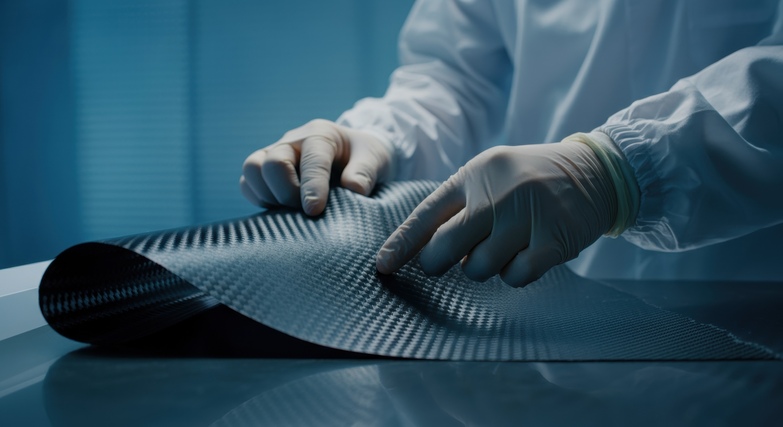
Imagine materials that are lighter than aluminum but stronger than steel. Materials that do not rust and can sustain extreme heat while being formed into virtually any shape. These are composites; and today they are quietly changing the way we design and craft everything from large wind turbine blades to speedy race cars and even spacecraft. These incredible materials come from the imagination of courageous designers that are always seeking to exceed possibilities. They are designing the future; one advanced material at a time.
Table of Contents
What are Composites?
Think of composite material as the ultimate sandwich. You take two or more different materials – each has unique qualities and features – and combine them to create one new material that conforms to or mimics the qualities of each of the parent materials. For example, you might have strong fibers (like little threads of carbon or glass) as a filler; then you bond the fibers together with ‘bread’ that is made of a tough plastic resin. The fibers impart strength and the resin provides structural integrity and protects the fibers. The fibers and the resin may not be interesting by themselves, but when you mix the two you have materials with some unusual properties. Beyond the properties of composites though, their significant adaptability and versatility is what is most astounding and powerful.
The Creative Minds Behind the Materials
The world of composite innovation and supporting international associations is seriously busy. Composite material manufacturers like Axiom Materials work tirelessly to transform these innovations into scalable production processes. Some innovators focused on creating lighter composite materials – a significant advantage for weight-sensitive applications such as aircraft and automobiles. If you can reduce the weight of the vehicle, you also reduce the fuel it consumes. Others were thinking toughness: composites that will withstand enormous forces or extremes in temperature. Some researchers were directing their innovation towards designing new ways of constructing composites: designing methods for making complicated forms and curing. In every industry, the designs successfully produced lighter, more affordable, and simpler materials.
Where Composites Have Made a Difference
You are interacting with composites more than you realize. The carbon fiber composites used for bicycles and tennis rackets are light and are designed for their strength-to-weight ratios. Furthermore, the aircraft industry produces aircraft with the lightest wings and fuselage made from composites, which help planes fly further on less fuel. The renewable energy industry has gigantic wind turbine blades that can be over a football field long and rely solely on the strength and flexibility of composites to make energy from wind. Bridge builders like to use composites in their structures for tension reinforcement, so they can extend their operating life. These examples clearly show how many people and companies have leveraged their innovations to develop composite materials for demanding and unique applications.
Conclusion
The field of composite materials is currently experiencing a period of rapid innovation and development, leading to exciting new possibilities and applications. With each invention, new composites are developed, and global innovators turn their attention to the next products, processes, or technologies. Expect lighter vehicles that will go increasingly further on a charge, infrastructure that is stronger and will have life expectancies measured in hundreds of years, and machines that will increase efficiency in industries. The continuous process of developing new materials and combining them in innovative ways is that which leads to the creation of products that are either stronger, lighter, or both. The development of composite materials is at the heart of creating a brighter future, one that is more sustainable, efficient, technologically advanced, and ultimately better for everyone.
To get more information visit our blog.