
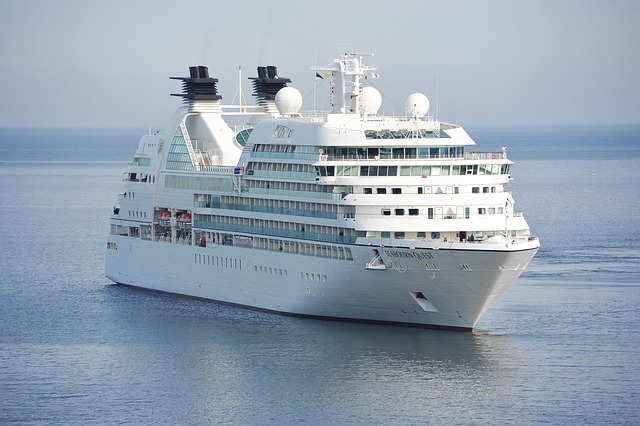
Cruise travel has long been about the chance to unwind, explore new places and enjoy life at sea. But now, with the rise of digital technology, cruise journeys are evolving in new ways. Today’s guests expect more than just sun loungers and buffets. They want a smoother, more connected and personalised experience from the moment they book to the moment they disembark.
Technology is playing a big part in meeting these expectations. From smart check-in systems to wearable devices and AI-powered concierge services, cruise lines are investing in digital tools that make life easier and more enjoyable for their guests.
Table of Contents
Smarter Booking and Pre-Boarding Processes
The cruise experience now begins well before guests arrive at the port, thanks to advancements in digital booking and pre-boarding systems. Modern online platforms enable travellers to select cabins, customise packages and schedule excursions with ease. These systems often integrate with user profiles, allowing returning guests to access previous preferences and tailor their trips efficiently.
Prior to embarkation, digital pre-boarding tools facilitate the completion of necessary documentation, such as health declarations and identification verification. Guests can upload required documents and receive digital boarding passes directly to their smartphones or tablets. This process significantly reduces time spent in queues at terminals and expedites the check-in procedure. Some cruise lines are exploring the use of biometric technologies, including facial recognition and contactless ID verification, at port terminals. These innovations aim to further decrease wait times and enhance security measures, providing passengers with a seamless start to their voyage.
Easier Onboard Navigation and Mobile Applications
Navigating large cruise ships can be challenging for guests. To address this, many vessels are equipped with digital signage, touchscreen kiosks and interactive maps, assisting passengers in locating cabins, dining venues and entertainment areas
Mobile applications have become integral to the onboard experience. These apps allow guests to book activities, make dining reservations, view daily schedules and receive real-time notifications. Designed to function over the ship’s Wi-Fi network, they eliminate concerns about international roaming charges. Additionally, these applications often include instant messaging features, enabling guests to communicate with family and friends onboard. This functionality is particularly beneficial for groups traveling together, enhancing coordination and connectivity throughout the cruise.
Wearable Technology for Keyless Experiences
The introduction of wearable technology has transformed the guest experience on cruise ships. Devices such as wristbands or medallion-style wearables serve multiple purposes, including functioning as room keys, facilitating cashless payments and allowing for location tracking by crew members in case of emergencies.
For guests, these wearables offer the convenience of not having to carry physical wallets or keycards. For crew members, they provide insights into guest preferences, enabling more personalised service. For instance, understanding a guest’s typical spa visit times or preferred beverages allows staff to tailor their service accordingly.
Simplified Dining and Entertainment Reservations
Traditionally, securing dining times or theater seats required guests to queue at service desks or make phone calls. Now, digital solutions have streamlined this process. Guests can check availability, make or modify bookings and receive reservation reminders through mobile apps and onboard digital interfaces.
Some systems utilise artificial intelligence to suggest dining options or entertainment activities based on a guest’s previous choices or stated preferences. This level of personalisation assists guests in maximising their onboard experience without the need for extensive planning.
Better Health and Safety
The health and safety of passengers remain a top priority for cruise lines. Wearable devices and mobile applications now enable guests to complete health screenings prior to boarding and receive real-time health updates during their voyage.
The implementation of sensors and contactless technologies throughout the ship reduces physical touchpoints, from elevators and public doors to sanitising stations and cabin controls. Digital tracking of guest movements also facilitates efficient contact tracing if necessary, enhancing the overall safety of the cruise experience.
Efficient Disembarkation Procedures
Disembarkation processes have been optimised through digital innovations. Guests can now settle their accounts and select preferred disembarkation times via mobile applications. Some systems also allow for the digital completion of customs forms and provide real-time updates on luggage readiness. These advancements contribute to a more organised and stress-free departure from the ship.
Final Thoughts
As technology continues to advance, the cruise industry is poised to offer even more personalised and seamless experiences. Future developments may include AI-powered personal assistants that anticipate guest needs, further integration of smart technologies throughout the ship and enhanced virtual experiences that blur the line between onboard and onshore activities.
For travelers, these innovations promise a cruise experience that is not only luxurious and entertaining but also tailored to individual preferences and needs. As cruise lines embrace digital transformation, guests can look forward to voyages that are more connected, convenient and memorable than ever before.
For more interesting posts visit my blog.