

Today, convenience is more important than ever. People are now looking for faster options when shopping for what they need every day. This is where quick commerce fits in, a new area of e-commerce that focuses on fast and efficient deliveries for customers. But what, specifically, do we mean by quick commerce and how is it affecting the world of retail? Let’s learn more about this trend and see what it’s all about.
Table of Contents
How Does Quick Commerce Work?
#1. Localized Warehousing
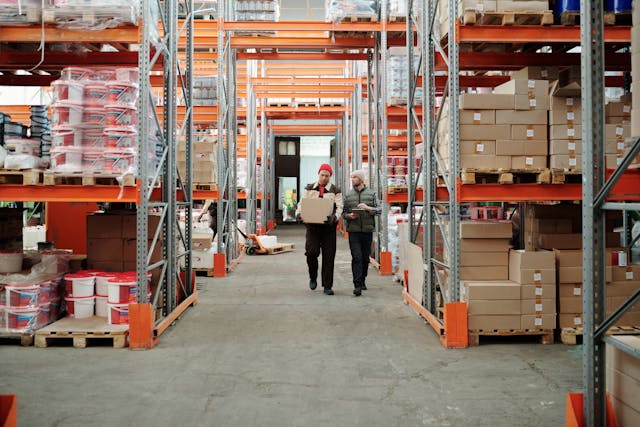
Quick commerce makes use of a network of small dark stores that are carefully placed across cities. They are built in cities to keep delivery times as short as possible. Unlike regular stores, dark stores are designed to prepare orders instead of letting people browse the items. As the warehouse is close to customers, products can be chosen, packed and delivered very quickly and efficiently.
#2. Technology-Driven Operations
The use of advanced algorithms and AI has improved the way quick commerce works. Through predictive analytics, platforms can see which items will be most in demand and keep them in stock. Using real-time tracking, companies monitor their stock and how orders are delivered which helps avoid holding up shipments. Thanks to data, these companies can run every part of the process such as placing orders and delivering them last-mile, much quicker and more precisely.
#3. Dedicated Delivery Networks
Platforms offering quick commerce make sure deliveries are fast by using delivery drivers working in shifts. A lot of companies now rely on gig workers to help meet higher demands during busy periods. Delivery riders use various vehicles such as bikes, scooters or cars, to move around cities quickly. Thanks to a flexible workforce, orders continue to be delivered quickly, whether demand is high or low.
#4. Mobile Apps and User Experience
A smooth user experience is key to making quick commerce work well. Companies in the industry spend money to create user-friendly mobile apps that allow people to shop, order and keep an eye on their orders. Real-time order updates, the ability to reorder quickly and personalized suggestions all help make the shopping experience easier. Being the main point of contact, the app needs to be simple and easy to use for everyone.
#5. Dynamic Inventory Management

Managing the inventory quickly and flexibly is an important factor in quick commerce. As these platforms are designed for fast shipping, they stock only the items most people want. The everyday assortment of products is adjusted according to what people in the area like and what’s trending. It helps to reduce waste, cut down on storage expenses and ensures customers always get the freshest and most relevant goods with each order.
What Is the Reason for the Rise of Quick Commerce?
#1. Changing Consumer Expectations
People these days in cities are mainly interested in convenient and quick food. Since people have busy schedules, they prefer services that get their essentials to them in a short time. Quick commerce is popular among those who want to shop quickly because it gives them instant solutions.
#2. Urbanization
As cities get busier, having warehouses or dark stores near more customers makes quick commerce much easier. In cities, fast delivery is possible because the distances are shorter. Thanks to city logistics, companies are able to provide quick delivery of goods which city residents appreciate for their immediate needs.
#3. Pandemic Acceleration
As a result of the COVID-19 pandemic, more individuals started buying products and services online for their safety and convenience. Due to the need for social distancing and lockdowns, more consumers used fast delivery services for groceries, medicines and other essentials which helped quick commerce become more established in retail.
#4. Technological Advancements
The use of smartphones, AI and real-time data analytics has made it possible to use quick commerce easily. Using these technologies, platforms can estimate the amount of goods to order, sort their stock and arrange their deliveries in the best way. Furthermore, applications that are easy to use improve how customers interact with the company online.
#5. Competitive Pricing and Promotions
One way quick commerce platforms draw customers is by offering low prices, discounts and promotions. Because of these incentives, the service is attractive to those who want to lower their shopping budget. Combining low prices and fast service, quick commerce makes the service attractive to new users and motivates them to keep using it.
What is the Difference Between E-Commerce and Quick Commerce
#1. Delivery Speed
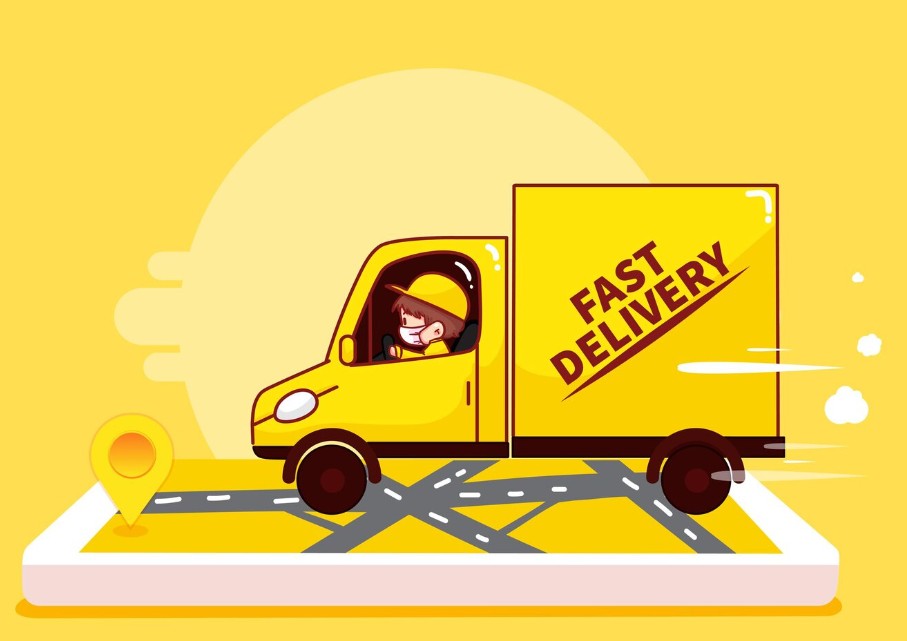
Typically, e-commerce sites such as Amazon and Flipkart deliver within 1-7 days, giving more attention to scalability than to speed. Alternatively, quick commerce prioritizes ultra-fast delivery times, making it possible to get deliveries within a matter of minutes. Thanks to local warehouses and efficient logistics, it helps meet the demands of urgent shopping, making it perfect for last-minute buys.
#2. Product Range
E-commerce includes a large variety of goods like electronics and clothing to cover many types of buyer needs. However, quick commerce is built around supplying grocery items, medications and snacks. Because the options are limited, products are delivered quickly and appeal to city residents who care most about being able to buy things easily.
#3. Operational Model
To meet orders, e-commerce uses big warehouses and sellers who are not part of the company. Instead, quick commerce relies on nearby “dark stores” that help orders be processed fast. Because of this model, deliveries in cities are quick, as the stores are closer to customers.
#4. Target Audience

People who want convenience and choice in their planned purchases are attracted to e-commerce. At the same time, quick commerce serves city dwellers who want immediate access to the things they need. People with busy schedules, families and those who run out of time before the holidays make the most of its fast delivery service.
#5. Technology Integration
E-commerce platforms are designed to make it easy for people to shop and for the staff to handle large stocks in the background. Advanced technologies such as AI, analytics and route planning, are a major part of quick commerce. Thanks to these advancements, platforms can predict what is needed, manage inventory well and offer extremely fast delivery, making them stand out from other retailers.
Quick Commerce Companies in India
#1. Blinkit (formerly Grofers India)
Blinkit is pushing boundaries in India’s quick commerce business by offering fast deliveries in just 10-20 minutes. There are dark stores in Delhi, Mumbai and Bangalore, making it more convenient for customers. Thanks to its fresh produce, snacks and household goods, Blinkit is now the preferred app for many city shoppers.
#2. Zepto
Started by two entrepreneurs, Zepto has made waves in the industry by offering deliveries within 10 minutes. Zepto is present in cities like Mumbai, Pune and Hyderabad and offers a carefully chosen range of grocery and household items. Its fast growth and the way it appeals to young people have made it popular with tech-savvy millennials.
#3. Swiggy Instamart
Using Swiggy’s widespread delivery system, Swiggy Instamart ensures that groceries and daily needs are delivered within 15 to 30 minutes. Stocked with everything from fruits to personal care goods, Instamart is accessible in cities such as Bengaluru, Delhi and Chennai. The easy and dependable experience on Instamart’s app has won it many loyal customers.
#4. Dunzo Daily
With Dunzo Daily, customers can receive their groceries within 15-20 minutes due to the company’s focus on hyperlocal delivery. Dunzo Daily which is active in Bengaluru, Hyderabad and Chennai, works with local suppliers to ensure the products are always fresh. The user-friendly design and fast service make it a good choice in quick commerce.
#5. JioMart

JioMart, supported by Reliance Retail, is now offering quick commerce by partnering with local kirana stores for fast grocery deliveries. JioMart, which has recently entered the segment, seeks to use its wide retail reach and digital foundation. Its emphasis on being affordable and easy to reach has made it important in small cities.
Conclusion
Quick commerce is making life convenient for today’s consumer by offering both speed and accessibility. The way it delivers basics in just minutes has significantly changed how we shop. With constant innovation, quick commerce is expected to be a mainstay in retail, combining technology and what customers want.